

The Reality of Medical Conferences: Beyond the Myths
«Doctors have so much fun at conferences!» You’ve probably heard this comment from friends or family more than once. From an outsider’s perspective, medical conferences might seem like events filled with free giveaways from pharmaceutical companies—pens, bags, notebooks—along with fine dining, travel to different cities, and socializing with colleagues.
However, the reality is quite different. Medical conferences, particularly in Vascular Surgery, are much more than that. In this article, I will share what truly happens behind the scenes at these scientific events.
How Is a Medical Conference Organized?
Conferences can be large or small, national or international, general or specialized, but they all start with a simple idea:
«Let’s bring together the best experts to discuss…».
From that moment, a complex process begins:
- Endless meetings, often outside of working hours.
- Securing sponsorships and financial support.
- Choosing the right venue.
- Planning an effective marketing strategy to attract professionals.
But the most critical aspect is ensuring the scientific quality of the conference. This is achieved by inviting top experts in the field and offering other professionals the opportunity to present their research, findings, and innovations. A scientific committee reviews each submission and meticulously structures a tightly packed agenda.
Achieving a successful conference requires time, effort, and significant resources, but it is essential for medical progress.
What Does It Mean to Be a Speaker at a Medical Conference?
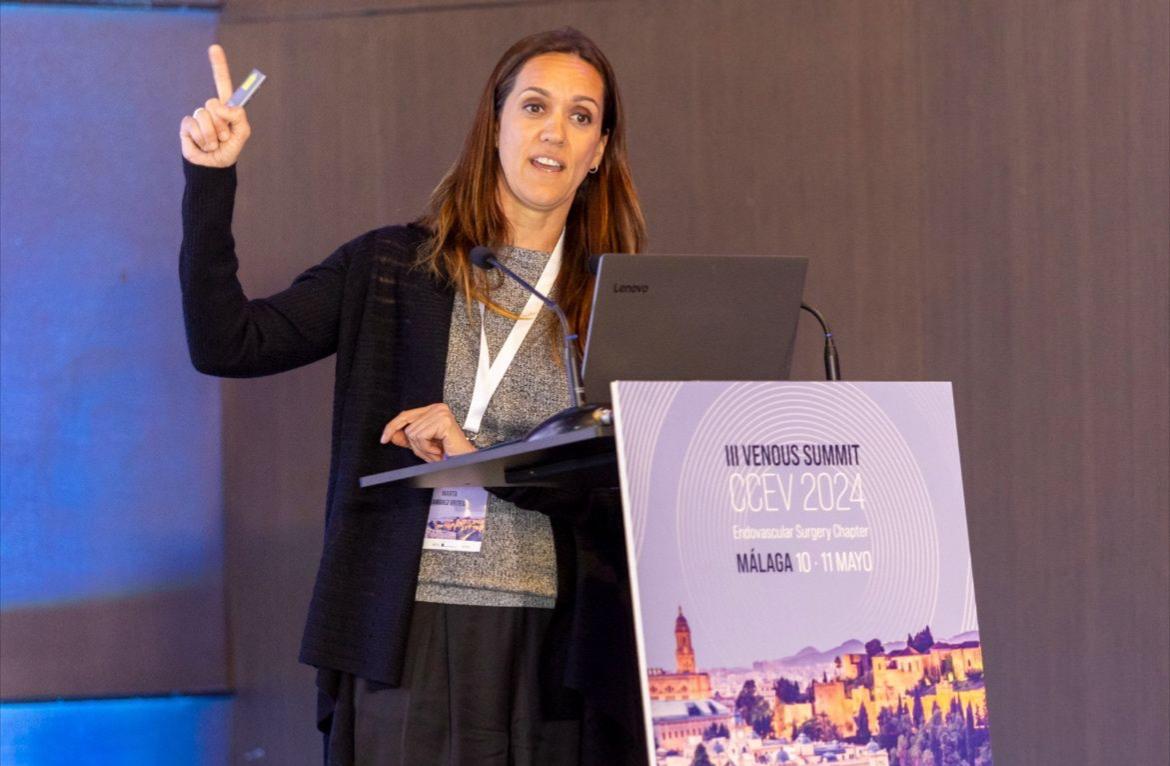
On the other side of the event are the invited speakers, a role I am always honored and grateful to take on whenever I receive an invitation to share my expertise.
However, being a speaker is much more than just delivering a visually appealing PowerPoint presentation. It requires:
- Precision and conciseness: In just 5 to 7 minutes, we must convey complex medical knowledge in a clear, engaging, and scientifically rigorous manner.
- Extensive preparation: Collecting data, analyzing statistics, selecting relevant images, and ensuring ethical and evidence-based content. Many sleepless nights go into perfecting these presentations.
- Rescheduling professional commitments: Adjusting surgical schedules and patient appointments to accommodate fast-paced business trips—often spending more time in airports and airplanes than in the actual conference city.
For instance, last year, I traveled to Athens four times, yet I still haven’t visited the Parthenon.
Why Are Medical Conferences Essential?
Despite the challenges and personal sacrifices involved, medical conferences remain the foundation of progress in Vascular Surgery. They provide a platform to:
- Exchange experiences with peers from around the world.
- Learn from top experts and emerging professionals in the field.
- Showcase our work to the scientific community—often in a foreign language.
- Engage in critical discussions, addressing both insightful and provocative questions with professionalism and integrity.
As the years pass, traveling becomes more demanding, but conferences remain an indispensable part of professional growth.
Upcoming Conferences Where I Will Be Speaking
This year, I have the honor of being invited as a speaker at several prestigious Vascular Surgery conferences:
- SSVS (Scandinavian Society for Vascular Surgery) in Gothenburg.
- Lower Limb Symposium in Manchester.
- SITE in Barcelona.
- Venous Symposium Europe in Athens, where I will serve as a Leading Expert and part of the event’s organizing committee.
Now, it’s time to start preparing these presentations, ensuring we continue to set an example in the global scientific community.



